
Beyond Ads: Exploring Alternative Business Models for Media Companies
How Ads became Media's biggest revenue engine


Ads are everywhere now. In the 1950s through the 1990s, ads were primarily distributed through newsletters, billboards, and other traditional marketing methods. However, the dot-com boom of the late 1990s and early 2000s changed everything.
Companies were scaling at an unprecedented pace and acquiring users faster than ever. While a lot of tech companies had their business models cut out, social media companies faced a conundrum: charge customers for the product and lose them, or keep the platform free and keep burning money.
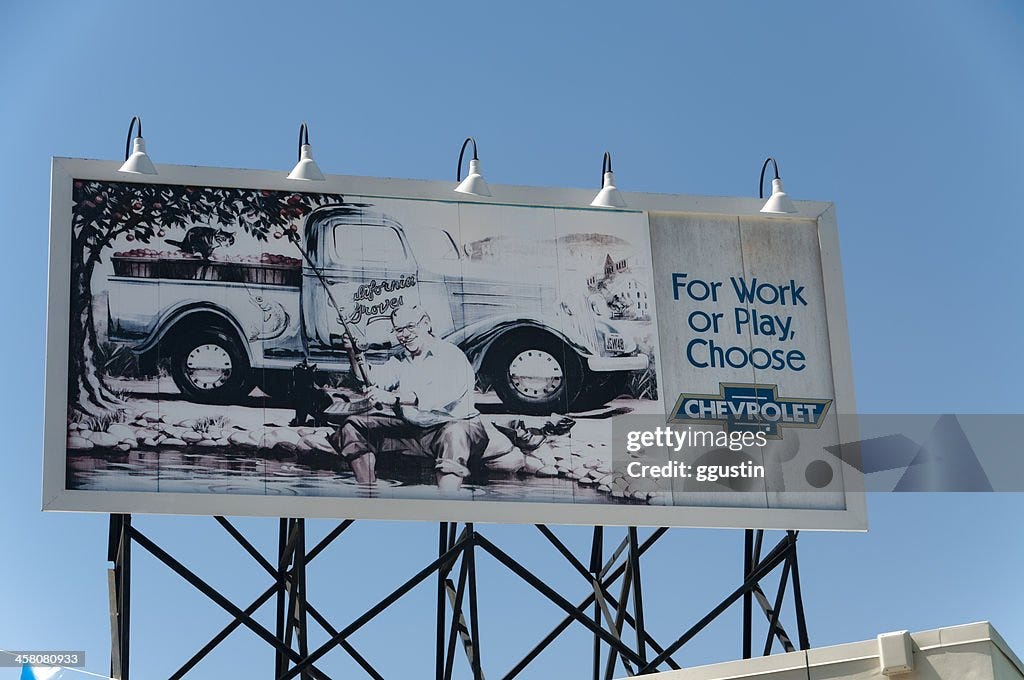
Google thought differently and popularized ads in the early 2000s. Other companies copied them. Not just social media platforms but also blogs, games, music apps, and now even Netflix. However, this ad surge has come with serious criticism. Companies like Meta have been hammered for prioritizing ads over user experience and invading privacy.
When “Free” Became the Most Expensive Thing on the Internet
The advertising model wasn’t always the default. Early internet companies tried selling software licenses, charging membership fees, and even attempting micropayments where you’d pay pennies per article. All of it failed because people got addicted to free content faster than anyone expected.
Google figured out something brilliant: search ads that matched what people were actually looking for, not banner ads everyone ignored. The result is that their advertising revenue hit $146 billion in 2020, proving that if you make ads relevant enough, companies will pay absurd amounts of money for that privilege.
Facebook took it further. They didn’t just match ads to what you searched for but to who you were, what you liked, where you lived, what you bought, who your friends were, and probably what you ate for breakfast based on your photo uploads.
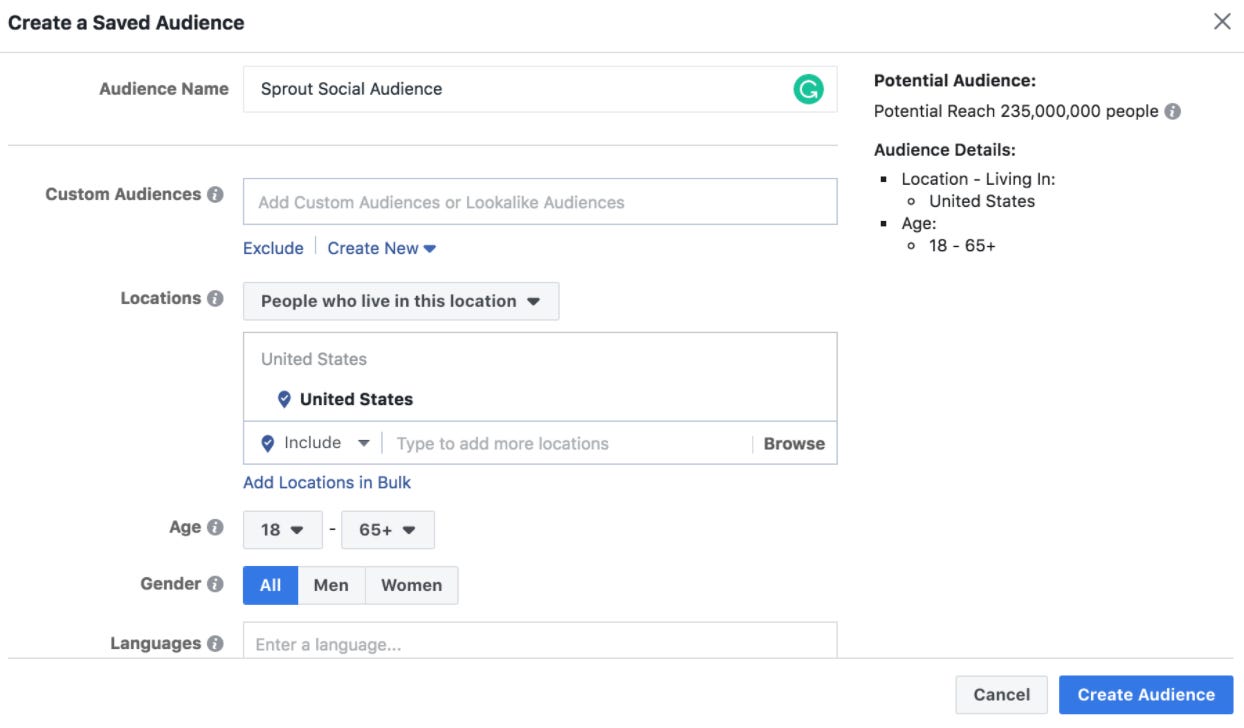
Facebook Ad interface showing audience categories
Source: Sprout Social
The targeting got so precise that advertisers could reach exactly the people most likely to buy their products. Better targeting meant higher ad prices, which meant more money for Facebook, which meant more resources to improve targeting.
Spotify joined the party with a freemium model that bombards non-paying users with ads between songs. YouTube made entire careers possible by giving creators a cut of ad revenue. Gaming companies started offering “free-to-play” experiences supported by ads and in-game purchases. Essentially, ads have gone from being streamlined to a certain group of people to becoming confetti.
The Hidden Costs Nobody Talks About
The problem with advertising as a primary revenue source is that it fundamentally misaligns incentives. When your business model depends on keeping people engaged as long as possible so they see more ads, you optimize for attention rather than value.
This is why TikTok’s algorithm is designed to be addictive, why YouTube’s recommended videos lead you down rabbit holes, and why Facebook’s feed is endless and algorithmically designed to show you content that triggers emotional responses.
The privacy concerns are worse. Meta faced a $1.3 billion fine from European regulators in 2023 for mishandling user data. They track your behavior across websites and apps you don’t even know are connected to Facebook, building psychological profiles for ad targeting.
Meta Platforms CEO Mark Zuckerberg arrives at federal court in San Jose, California, on Dec. 20, 2022.
David Paul Morris | Bloomberg | Getty Images
Content quality suffers, too. Media companies optimizing for ad revenue create clickbait headlines, sensationalized stories, and shallow content designed to maximize pageviews rather than inform or entertain. Journalism becomes about traffic metrics instead of truth.
When Paywalls Actually Work
Yet, right in the middle of all the ad-noise, Substack proved something that has taken traditional media companies decades to understand: people will pay for content if it’s good enough and the transaction is simple enough. Writers build direct relationships with readers, charge subscription fees, and keep most of the revenue. No ads required.
The New York Times understood this and generated $1.2 billion from digital subscriptions in 2022, more than their advertising revenue for the first time in the company’s history. They stopped treating their website as a free promotional tool and started treating it as a premium product worth paying for.
This subscription model then solves the incentive problem. When readers pay directly, media companies optimize for subscriber satisfaction instead of advertiser satisfaction. They create content people actually want rather than content that generates the most clicks. They respect user privacy because they don’t need behavior tracking for ad targeting.
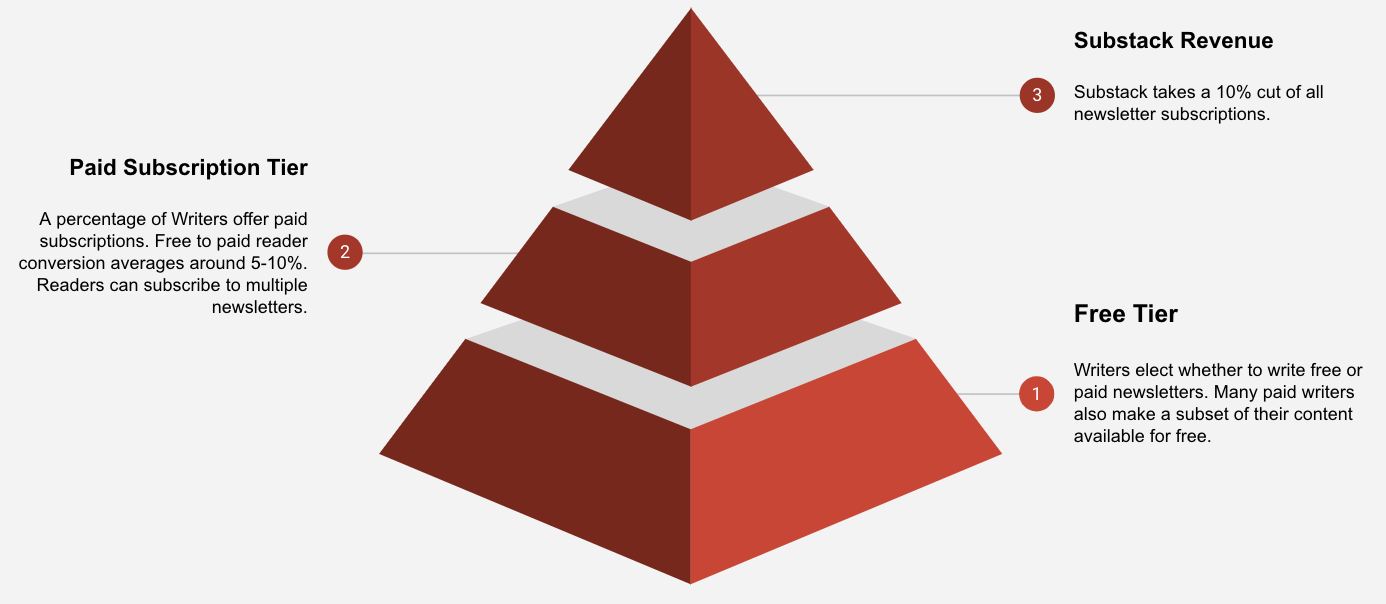
Substack’s business model, illustrated. Source: Kevin LaBuz
Another platform, Patreon extended this model to creators across mediums. The math works: 1,000 subscribers at $5 monthly generates $60,000 annually, enough to make content creation a viable career without ever running a single ad.
The Hybrid Approach That Actually Makes Sense
While the subscription model solves the core incentive issue, Spotify’s model takes it a notch higher, offering two options simultaneously: Freemium. A combination of the words ‘free’ and ‘premium’ to create a new experience class for users: free tier with ads for users who won’t pay, premium tier without ads for users who will. The free tier acts as marketing for the premium tier while still generating some revenue from advertising.
This works because different users have different willingness to pay. Students and users in developing markets might never afford $10 monthly for music streaming, but they’ll tolerate ads. Professionals and music enthusiasts happily pay to remove the friction. By serving both segments, Spotify maximizes total revenue.
With this model, Spotify reported 226 million premium subscribers in Q3 2023 out of 574 million total users. That’s roughly 40% paying, 60% on the ad-supported tier. The paying users generate most of the revenue while the free users provide scale and network effects.
Gaming companies have since adopted similar models. Platforms like Fortnite generated $5.8 billion in 2021 despite being free to download and play, all from selling character skins and battle passes to a fraction of its player base.
When Direct Support Beats Everything Else
Another model that rivals the advertising model is Patreon’s where top creators earn six-figure incomes from fans who contribute monthly to support their work. This isn’t advertising revenue or subscription fees for content access. This is patronage, the modern version of how artists survived for centuries before mass media existed.
The relationship is fundamentally different as patrons aren’t customers buying a product or viewers being sold to advertisers, they’re supporters investing in creators they believe in. This creates sustainable careers for niche content that could never attract enough viewers for advertising revenue or enough subscribers for traditional paywall models.
Ko-fi and Buy Me a Coffee offer even simpler versions: one-time tips instead of recurring subscriptions. The economics work because the overhead is minimal. Platforms take 5-10% typically. No ad sales team needed. No complex analytics infrastructure. Just a direct transaction between creator and supporter.
What’s Likely to Happen Next
The advertising-dominant model is breaking. Users increasingly block ads, pay for ad-free experiences, or simply tune out commercial messages entirely. The average person sees between 4,000 and 10,000 ads daily and has developed sophisticated mental filters to ignore most of them.

Media companies are adapting by diversifying revenue streams. The Athletic built a subscription-based sports journalism business without a single display ad. Nebula created a creator-owned streaming platform where viewers pay subscriptions directly. Discord monetizes through premium subscriptions and server boosts rather than advertising.
As in the freemium model, chances are, the most successful future model probably isn’t picking one approach but combining several. Offer free ad-supported content to build an audience. Convert engaged users to paid subscriptions for premium experiences. Enable direct support through tips and patronage. License content to other platforms. Sell merchandise and live experiences.
Whatever the case may be, what’s clear is that pure advertising-supported media is increasingly unsustainable. The user experience degrades. Privacy concerns mount. Content quality suffers. And the entire model depends on a duopoly of Google and Meta controlling the advertising infrastructure and taking enormous cuts of revenue.
From an analytical standpoint, the companies that thrive in the next decade will be those that build direct relationships with audiences willing to pay for value rather than indirect relationships with advertisers buying access to attention. The technology for subscription payments, direct support, and alternative revenue models exists now in ways it didn’t a decade ago. Media companies just have to be willing to use it.
The Premier League figured this out years ago. They stopped depending primarily on matchday ticket sales or domestic broadcast deals and built a global entertainment product with diverse revenue streams. Media companies should take notes.